


When Your Baby Cries in Public: Autistic Parenting, Noise and Overwhelm
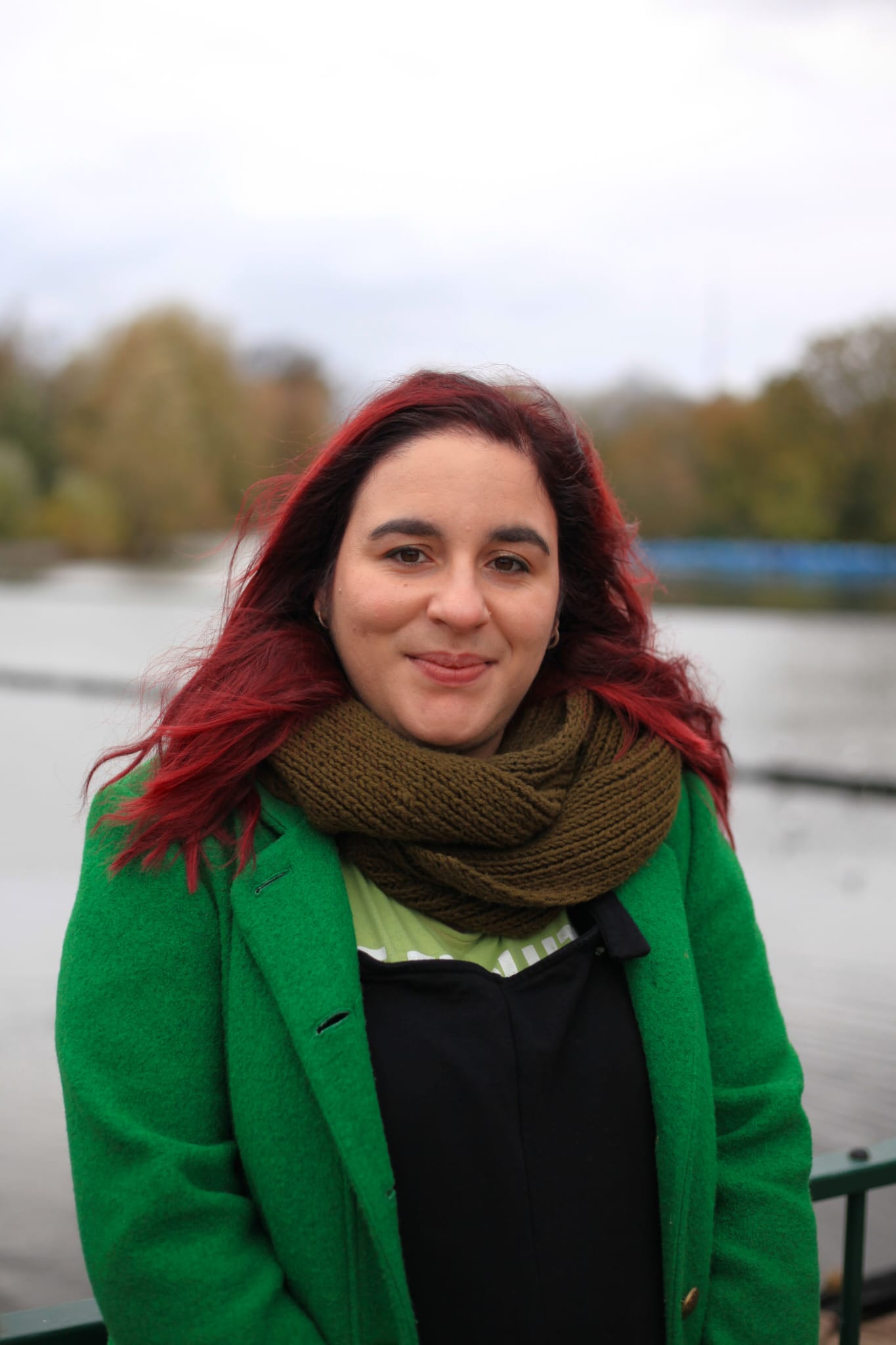
The panic when your baby cries in public. There is a very specific kind of panic that hits when your baby cries on the bus.

Your whole body reacts before your brain has caught up. You start rocking, feeding, shushing, bouncing, rummaging for a toy, trying anything that might help.
And somewhere underneath all of that is the thought:
Everyone is judging me.
Which is ridiculous really, because public places are already loud.
People have full conversations on speakerphone. People watch videos without headphones. People play music. People sing. People shout across the bus.
But somehow, when it is your baby crying, it feels different.
It feels like you are the problem.
The stress when your baby has finally fallen asleep
And then there is the other side of it. The baby has finally fallen asleep. You have done the feeding, the rocking, the nap maths, the mental gymnastics of getting out of the house.
Then someone gets on the bus having the loudest phone call known to humanity.
And suddenly your whole nervous system is on edge.
Will it wake him?
Will he cry?
Will I have to start again?
Will everyone then look at me, even though it was someone else making the noise?
That is the bit that gets me. Other people can be loud in public without seeming to think twice. But I feel responsible for every sound my baby makes, even though he is the one person there who cannot help it.
The extra layer of autistic sensory overload
And as an autistic person, the noise itself can feel physically painful. It is not just annoying. It is not just a bit much. Sometimes it feels like my whole body is screaming, and I am standing there trying not to have a meltdown because I still have to get my baby home.
There is no tapping out. No disappearing into a quiet room. No putting my headphones on and shutting the world out completely. I am the parent. I have the buggy. I have the baby. I have to keep us safe and get us where we need to go.
So I am managing his distress, my own sensory overload, the judgement I have imagined from strangers, and the very real noise of the world around us, all at the same time.
A crying baby is not antisocial behaviour
A baby crying is not antisocial behaviour. It is communication.
It is “I’m tired.”
“I’m hungry.”
“I’m overwhelmed.”
“I need you.”
And yet I still feel myself wanting to apologise.
Sorry he is crying.
Sorry we are here.
Sorry we are taking up space.
But actually, we are allowed to be there.
We are allowed to take up space
My baby is allowed to have needs in public. I am allowed to respond to him without performing calm for strangers. I am allowed to feel flustered and still be a good parent.
And if someone is annoyed by a baby crying for a few minutes, that does not mean I have done something wrong.
It means I am parenting a tiny human in a world that is often much louder than he is.
So no, I probably will not magically become relaxed the next time he cries on the bus. I will probably still bounce, feed, shush to get him to settle. I will probably still feel my body tense when someone starts shouting into their phone beside us.
But I am trying to remember this:
A crying baby is not a public nuisance.
He is a person communicating.
And I am not failing because people can hear him.
I am not failing because the world is loud.
I am getting my baby home.
-------------
About Sonay Erten - Speakers Collective
Sonay Erten is a lawyer, ADHD coach, speaker and neurodiversity advocate specialising in ADHD, autism, burnout and inclusion within professional environments.
If you are interested in Sonay Erten speaking at an event or workshop, please contact info@speakerscollective.org or via our contact form here.
Speakers Collective is a Social Enterprise. We work together with a shared commitment to challenge stigma, facilitate important conversations and promote learning on a variety of social issues.
Want to join our amazing community and you can apply here to be part of our lived-experienced speakers here.


