


Neurodiversity is not a wellbeing issue, it’s a management capability issue
For a long time, organisations have placed neurodiversity under the umbrella of wellbeing.
It sits alongside mental health initiatives, awareness days, and employee resource groups.

All of that matters. All of it has value.
But here’s where things start to go wrong.
When we position neurodiversity as a wellbeing issue, we unintentionally send a message. We suggest that this is something for the individual to manage, something that sits around the edges of work rather than at the centre of it, and something separate from performance, leadership, and business success.
And that’s where the disconnect begins.
What I hear every single week
In coaching sessions, workplace needs assessments, and training rooms, I hear a very different story.
Not “I need more wellbeing support.”
What I hear is:“I don’t know what my manager actually wants from me.”
“Everything feels urgent, and I can’t prioritise.”
“Instructions keep changing, and I feel like I’m always getting it wrong.”
“I’m exhausted from trying to keep up.”
This isn’t a wellbeing issue.
This is a clarity, communication, and leadership issue.
The uncomfortable truth about management
Some managers are brilliant. They really are. But many have never actually been trained to manage people.
They were the best salesperson, the highest performer, the most reliable person in the team. And the natural next step was: “You’re doing great… now manage the team.”
No training. No development. No real understanding of different thinking styles.
And now we expect them to lead diverse teams, manage performance, support neurodivergent employees, communicate clearly, and adapt their style to different individuals.
All without ever being shown how.
It’s not a lack of care.
It’s a lack of capability.
A real moment from a workplace assessment
I was working with an employee who had ADHD. Brilliant. Creative. Fast-thinking. The kind of person who brings energy and ideas into a team.
But they were struggling.
Missed deadlines. Overwhelm. Constant anxiety. That quiet feeling of always being one step behind, no matter how hard they tried.
When we looked deeper, the issue became clear.
Tasks were being given verbally in meetings. Priorities were changing daily. There was no written follow-up, and everything felt urgent. On the surface, it looked like a performance issue. Underneath, it was cognitive overload.
The bit you don’t always see
They said something to me that I hear far too often:
“I don’t ask for things to be repeated… because I don’t want to look incapable.”
That’s the part organisations miss. This wasn’t about not wanting to understand. It was about fear. Fear of judgement. Fear of being seen as not good enough. This is where Rejection Sensitive Dysphoria (RSD) can show up.
For some people, particularly those with ADHD, even the perception of criticism or getting something wrong can feel intense and overwhelming.
So instead of asking, “Can you go over that again?”, they stay quiet. They guess. They try to piece things together afterwards. And when it goes wrong, it reinforces the belief that they should have got it right in the first place.
Now layer in working memory
Working memory is what helps us hold information in mind, process instructions, and follow multi-step tasks.
For many people with ADHD, this can be inconsistent. So in a fast-paced meeting, where multiple points are shared, priorities shift, and there’s no written structure, it becomes incredibly difficult to retain everything.
It’s like trying to hold water in your hands. Some of it stays, but a lot of it slips through.
By the time the meeting ends, you’re left trying to reconstruct what actually matters.
Back to the manager
The manager said, “I’ve told them what to do.”
And they had.
But saying something once is not the same as creating clarity. Because communication isn’t about what’s said. It’s about what’s understood.
What changed everything
We didn’t change the role. We didn’t lower expectations. We introduced simple, practical shifts. After meetings, there were short written summaries. Priorities were clearly defined, including what mattered most that day. Deadlines were made explicit.
That was it.
And everything shifted.
Confidence increased. Anxiety reduced. Deadlines were met.
Not because the employee changed, but because the environment did.
Same employee. Same role. Same organisation.
Different management approach.
What the research tells us
This isn’t just one story. Research from the CIPD consistently shows that line manager capability is one of the biggest drivers of both performance and wellbeing.
The Education Endowment Foundation highlights that clear structure, explicit instruction, and well-designed support benefit everyone, not just those with additional needs.
These are not adjustments.
They are good management.
The part we don’t talk about enough
Neurodivergent employees often don’t say what’s really going on.
Not to HR. Not to their manager.
But they will say it in coaching:
“I feel stupid asking again.”
“I don’t want to be seen as difficult.”
“I just try to figure it out myself.”
So they mask. They overcompensate. They push through. And eventually, they burn out.
Then we label it as stress, anxiety, or poor performance. When actually, it started with unclear leadership.
It’s not about doing more. It’s about doing things differently
Organisations often think they need more programmes, more support, more resources.
But in reality, it’s often the smallest changes that have the biggest impact.
A short written follow-up after a conversation. Clear deadlines instead of “ASAP.” Breaking work into manageable steps. Checking understanding without judgement. Being explicit about what “good” looks like.
These are not special adjustments.
They are better management behaviours.
Neurodiversity is a leadership skill
If you are leading people, you are already leading different thinking styles. Whether you realise it or not.
And one-size management simply doesn’t work, especially when you consider co-occurring neurodivergence. ADHD and autism. Dyslexia and anxiety. Sensory sensitivities alongside executive functioning challenges.
Traditional leadership models were not designed with this level of cognitive diversity in mind.
That’s why they fall short.
Lived experience changes everything
In every training room I’m in, there’s a moment where things shift. Not because of theory. Not because of slides. But because someone hears what it actually feels like.
That’s when leaders move from
“I didn’t realise” to “I need to change how I lead.”
So where do we go from here?
We stop treating neurodiversity as a side conversation. And we start recognising it as a core leadership capability. Because when managers get this right, performance improves, retention increases, engagement grows, and burnout reduces. Not just for neurodivergent employees.
For everyone.
And this is why training matters
We cannot expect managers to do this without support. They need practical tools, real-world strategies, and a genuine understanding of different thinking styles.
That’s why I design and deliver CPD-certified Neurodiversity Leader Training. Not theory that stays in a slide deck, but practical, usable strategies that managers can apply immediately.
Because awareness is not enough.
Capability is what creates change.
A question to leave you with
Are you creating clarity… or confusion? Because leadership isn’t about intention. It’s about impact.
If you want to go further
If you’re ready to move beyond awareness and build real capability in your organisation, my CPD-certified Neurodiversity Leader Training is designed to do exactly that. Practical. Evidence-informed. Built from lived experience.
And focused on what actually works in the real world.
-------------
About Toni Horn - Speakers Collective
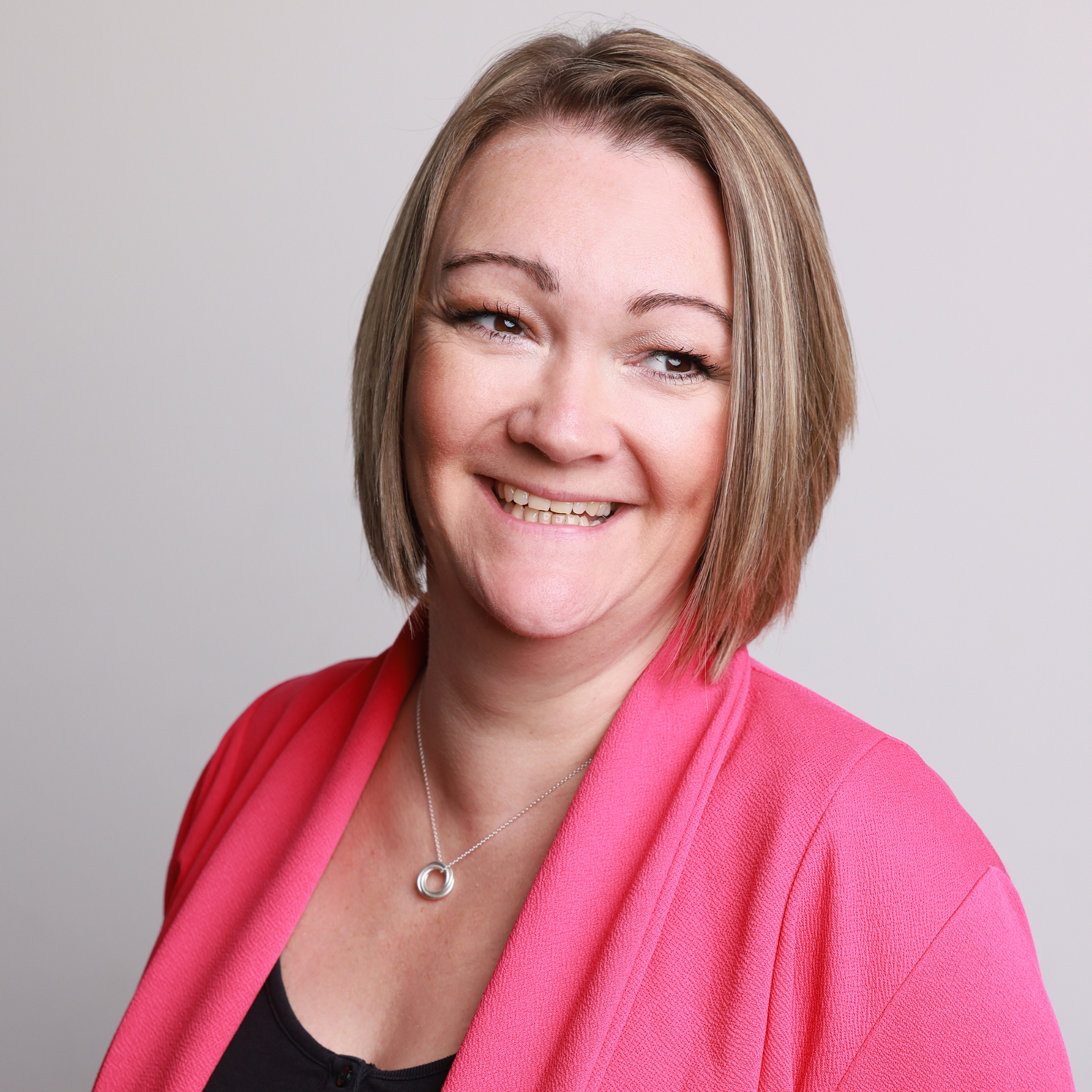
Toni Horn FRSA is a globally recognised neurodiversity consultant, keynote speaker, author, qualified teacher Level 5 Diploma in Education & Training (DET) and founder of NeuroEmpower CIC.
If you are interested in Toni Horn speaking at an event or workshop, please contact info@speakerscollective.org or via our contact form here.
Speakers Collective is a Social Enterprise. We work together with a shared commitment to challenge stigma, facilitate important conversations and promote learning on a variety of social issues.
You can apply to join Speakers Collective lived-experienced speakers here.


